Maintaining Performance with Regular Water Softener Repairs
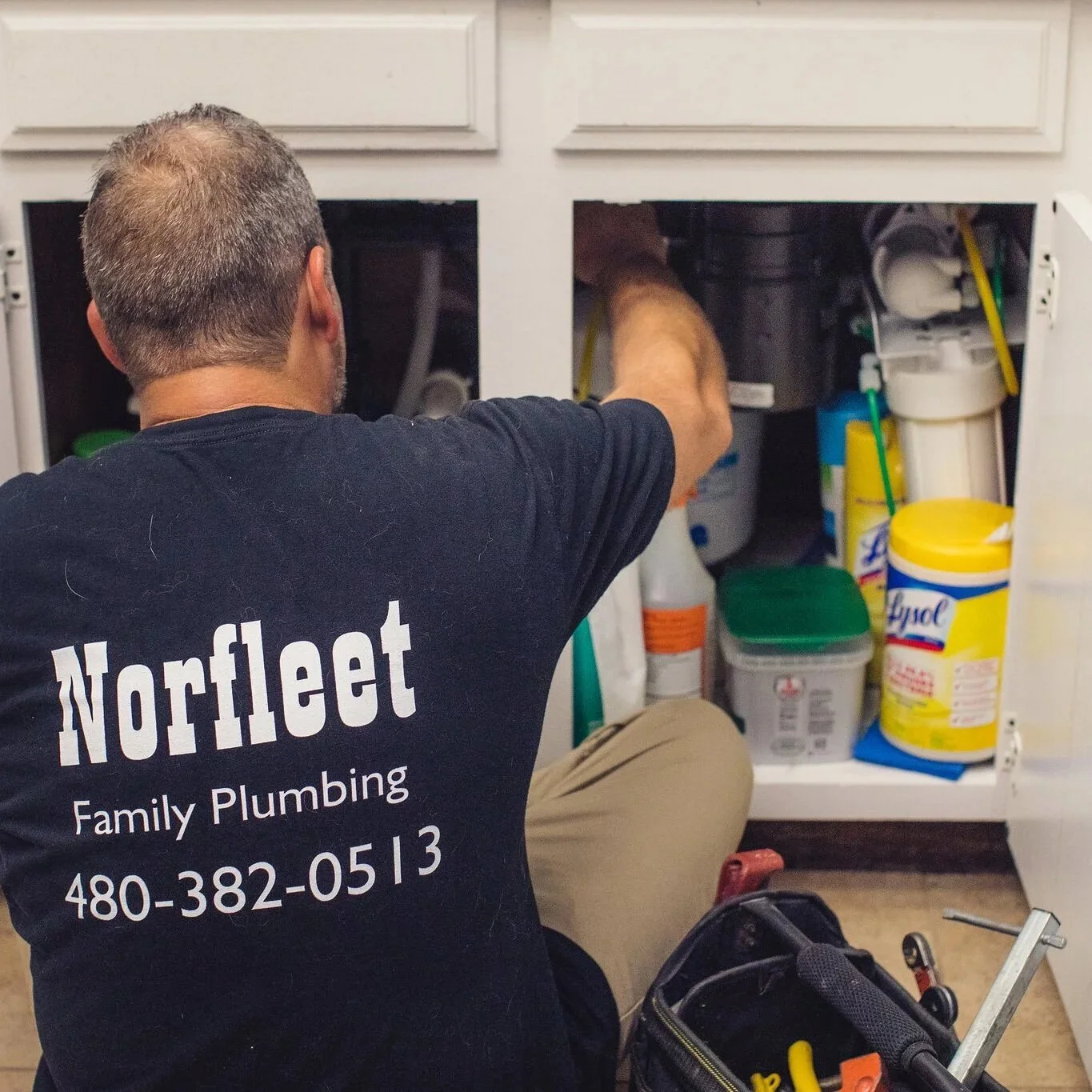
When those signs appear, a professional repair service can quickly bring balance back to the household water.
Water softeners often don’t make a fuss when things start going sideways. One day, everything feels silky-smooth, and the next, soap won’t lather, dishes look like they’ve been snowed on, and the coffee maker suddenly develops a scale beard. When those signs appear, a professional repair service can quickly bring balance back to the household water.
Regular repair and maintenance help a softener do what it was built to do—protect plumbing, prolong appliance life, and kick hard water minerals to the curb. When handled by seasoned technicians, those repairs keep systems running smoothly, prevent more costly breakdowns, and help homeowners avoid turning their showers into chemistry experiments.
Noticing When the System Slips
Water softeners rarely fail with fireworks. They tend to slip quietly into underperformance. One day, everything’s running fine, and a week later, the signs of hard water creep back in. Hair starts acting out, laundry feels stiff, and the kettle’s heating element looks like it spent the weekend spelunking.
These symptoms usually mean the system isn’t cycling correctly, the resin bed needs some love, or the salt tank’s having commitment issues. Ignoring the signs doesn’t make them disappear—it usually just means bigger repairs (and louder groans from the appliances) down the line.
Understanding How Softeners Wear Out
Even the best water softeners need a little TLC after years of mineral combat. The resin beads inside the tank are incredibly effective at trapping calcium and magnesium, but they don’t last forever. After extended use, they lose their exchange power, leading to poor performance even if the rest of the system appears fine.
Brine tanks can also become crusty villains, forming salt bridges or mushy sludge that interrupts the flow. Valves, timers, and control heads can wear out with time or simply fall out of sync. And just to keep things interesting, pressure changes or sediment buildup can throw the whole system off balance.
Fortunately, professional repair services are well-versed in spotting these issues early and correcting them with minimal disruption.
Why Regular Repairs Make a Difference
Skipping repairs might sound like a shortcut, but it rarely ends well. Hard water doesn't politely pause while the softener slacks off. It moves in fast, scaling pipes and turning every water-using appliance into a short-timer. Regular servicing gives technicians a chance to recalibrate the unit, replace aging components, and flush out anything that’s gumming up the works.
A quick repair can restore full functionality, saving the homeowner from a complete system replacement. It’s like catching a pothole early—much easier (and cheaper) to fix before the suspension gives out.
Salt Bridges and Other Salty Situations
Salt bridges are sneaky. On the surface, the brine tank might look full of chunky white crystals, but beneath lies a hollow void where nothing dissolves. Without proper brine formation, the regeneration cycle turns into an awkward pantomime, and the resin bed stays clogged with hard minerals.
A technician can break the bridge, clear out the salt mush, and get the tank back to proper dissolving and cleaning duty. They also check for drain line kinks, clogged injectors, and stuck float valves—all of which can quietly ruin the softener’s performance if left alone.
Testing and Calibration for Peak Performance
Not all repairs are about broken parts. Sometimes the system just needs a reset and recalibration. Water hardness levels can fluctuate over time, and so can household water usage. When the softener isn’t keeping up, it could be regenerating too often—or not often enough.
Technicians test the incoming water, check the flow rate, and adjust the settings accordingly. They also update timers, program usage patterns, and flush the resin to restore full capacity. That kind of precision tuning makes the difference between mediocre softening and silky-smooth water harmony.
Extending the Life of the Whole Plumbing System
Hard water doesn’t just annoy the skin and sabotage shampoo. It builds up inside pipes, lowers water pressure, and clogs appliances. Water heaters, dishwashers, and even refrigerator filters can end up as mineral-coated casualties.
When the softener works correctly, all those systems are protected. Repairs that restore the unit’s efficiency extend the lifespan of everything downstream. That’s good news for the water heater, which won’t have to battle scale deposits every time it kicks on, and for the washing machine, which will stop sounding like it’s chewing gravel.
Avoiding Emergency Breakdowns
Nothing ruins a Saturday like discovering the water softener has gone on strike just before hosting weekend guests. Sudden failure usually happens when small issues have been ignored for too long. A blocked injector here, a jammed valve there—and before long, the whole unit goes offline.
Routine repairs are the secret to avoiding those stressful moments. Professional technicians can catch early warning signs during scheduled maintenance and correct them before they spark a full-blown system failure. That way, the softener continues to work quietly in the background, just the way it should.
What a Service Call Typically Includes
When a technician arrives for a repair, they don’t just eyeball the tank and call it a day. They bring diagnostic tools, a solid grasp of water chemistry, and a checklist that covers all the usual suspects. The resin bed, control valve, injector, brine line, and timer settings all get reviewed.
The technician also flushes the system if needed, checks the bypass valve for leaks, inspects the drain route, and looks for any mechanical wear or corrosion. If the system uses a smart controller, the software may be updated or reset to improve accuracy. It’s a thorough process, designed to make the unit run like new—or at least very close.
When Replacement Parts Are the Answer
Sometimes, a softener doesn’t need to be replaced—it just needs a part swap. Whether it’s a worn rotor valve, a broken float, or a brine tank assembly that’s seen better days, replacement components breathe new life into the system.
Professionals use manufacturer-approved parts that match the system’s make and model. That kind of precision matters. Incorrect fittings or off-brand components often lead to leaks or future failures. A certified technician knows what belongs inside each type of softener and has the training to install it properly without causing side effects.
Knowing When It's Time to Replace
There comes a point when even the most loyal softener hits retirement age. If repairs become more frequent or the resin bed no longer holds a charge after multiple cleanings, replacement may be the better option.
Technicians can guide the decision by comparing the cost of ongoing repairs to the price of a new system. In some cases, upgrading to a more efficient or smart-enabled unit offers better long-term value. Either way, the advice comes with experience—and without pressure to overspend.
Adding Maintenance to the Calendar
Water softeners don’t demand a ton of attention, but they do appreciate an annual check-in. Scheduling professional maintenance helps avoid surprise repairs and gives the technician a chance to review the system’s performance.
During that visit, the tech can identify small issues early, like clogged screens or salt crust, and handle them before they interfere with softening. They’ll also make sure the settings still match household usage, which can change over time with new residents, upgraded appliances, or renovations.
Keeping Water Soft, Clean, and Cooperative
A well-maintained softener is a silent hero in the home. It protects plumbing, reduces energy bills, and helps everything from dishwashers to towels perform better. Routine repairs and professional maintenance keep the system operating smoothly and prevent hard water from regaining control.
It’s not just about extending the life of the softener—it’s about preserving the comfort and efficiency of the entire household water system. With the right service at the right time, the softener stays sharp, and hard water stays out of the picture.
Norfleet Family Plumbing offers reliable water treatment system installation and repair, water treatment system maintenance, water softener installation and repair, water conditioner installation and repair, and reverse osmosis system installation and repair. We have highly trained technicians to perform all residential plumbing installation and repairs in Mesa and surrounding areas. Licensed, bonded, and insured. Call today!
