Preventing Kitchen Disruptions with Timely Disposal Repairs
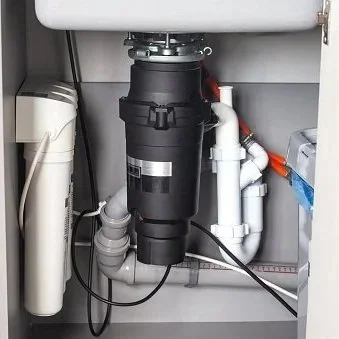
Whether it's humming without spinning, leaking all over the cabinet, or refusing to do anything at all, a malfunctioning disposal can turn your peaceful kitchen into a frustrating no-go zone.
Strange noises from under the sink usually aren't a good sign. When the garbage disposal starts sounding like it's chewing on a fork—or worse, absolutely nothing—it's trying to say something. Whether it's humming without spinning, leaking all over the cabinet, or refusing to do anything at all, a malfunctioning disposal can turn your peaceful kitchen into a frustrating no-go zone.
That's why calling in professional garbage disposal repair before a minor issue turns into a kitchen catastrophe can save more than just your dinner plans. It can protect plumbing, reduce cleanup, and keep things running smoothly during breakfast, lunch, and dinner.
Recognizing When Silence Isn't Golden
A disposal that won't turn on is the kitchen equivalent of a dog that stops barking. Silence might sound peaceful, but not when you're trying to rinse off a cutting board, and the sink starts backing up like it's in protest.
Sometimes the issue is as simple as a tripped reset button or a breaker flip. But if power is flowing and the disposal still plays dead, the motor or internal wiring could be in trouble. Professionals are trained to safely inspect electrical connections and determine whether the unit can be revived or has given up the ghost for good. When the diagnosis comes quickly, so does the solution—without guesswork or risky improvising.
Disposals That Hum but Don't Spin
Few sounds are more maddening than a disposal humming with all its might but refusing to spin. It's the grinding equivalent of a treadmill that turns on but won't move. The likely cause? Something's stuck. And no, it's not the time to go in with tongs or—worse—your fingers.
When a spoon, a piece of bone, or a rogue peach pit decides to settle in, a professional has the right tools to dislodge it safely. Specialized disposal wrenches, manual rotation techniques, and internal resets are part of the toolkit. Better to let someone with experience take on the jam than risk turning a clog into a crisis.
The Leaky Underworld Beneath the Sink
Nothing says "kitchen disruption" like opening the cabinet under the sink and finding a small lake. Leaks from garbage disposals often come from the top flange, the drain connection, or the housing itself. Sometimes it's a loose mounting ring, other times it's a cracked unit whispering that retirement is near.
A professional can trace the leak's source, whether it's a worn-out gasket or a rusted connection. They'll know if a quick sealant job will suffice or if the unit is beyond patching. Either way, the dripping stops, the puddle disappears, and the cleaning supplies go back to their peaceful storage.
Mysterious Smells That Refuse to Leave
Funky odors sneaking out of the sink are usually blamed on "something someone cooked," but when the smell won't budge no matter how many lemons or ice cubes go down the drain, it's time for a closer look.
Grease, sludge, and old food particles often accumulate in hard-to-reach areas of the disposal. Over-the-counter treatments only scratch the surface. Professionals scrub deep—not just in the unit but into the drain line—clearing the muck and making space for air that doesn't smell like leftovers from two weeks ago.
Water Refusing to Drain
A disposal that drains slowly is a lot like a guest who overstays their welcome—just hanging around long after dinner should be over. Food buildup, improper use, and unwise menu choices (looking at you, potato peels and pasta) often create blockages that narrow the path.
Rather than pouring in harsh chemicals and hoping for the best, a professional clears the clog with precision. They assess the drainage slope, test for pipe restrictions, and restore flow using mechanical tools designed to handle stubborn blockages. Your sink breathes a sigh of relief. So do you.
Noisy Operations That Sound Like Trouble Brewing
Garbage disposals aren't meant to whisper, but they shouldn't sound like a blender full of nails either. Grinding, screeching, or rattling might mean there's an object loose inside—or that internal parts are wearing out and knocking into each other like a miniature demolition derby.
Professionals can tell if it's a one-time intruder or signs of an aging disposal that's about to retire, whether you like it or not. If the unit can be repaired, great. If not, they can swap it out with a new model that hums along without trying to audition for a monster movie.
Disposals That Keep Tripping Breakers
When a garbage disposal starts flipping breakers like it's flipping pancakes, that's a warning sign. Overheating motors, faulty wiring, or internal shorts often trigger the circuit protection. Left unchecked, repeated tripping can cause larger electrical issues—or kill the disposal entirely.
Professional technicians don't just reset and hope. They test electrical loads, inspect the unit's wiring, and verify that the disposal matches the home's circuit capacity. Sometimes it's a matter of replacing a failing motor. Other times, the whole unit has to be swapped for one that plays nicely with the panel.
Vibration That's Anything but Normal
Some disposals like to dance, but they shouldn't. Excessive shaking, movement, or loud vibrations usually mean something's off balance—literally. Impellers may be unaligned, the mounting ring may be loose, or the grinding plate could be on its way out.
A professional tightens what needs tightening and rebalances the unit before it shakes its way to an early grave. Smooth operation doesn't just sound better—it also prevents wear on the plumbing and surrounding cabinetry.
Leaks from Dishwasher Connections
Many disposals share duties with dishwashers, catching food waste and grinding it before it enters the drain system. But when the connection is poorly sealed, or the knockout plug wasn't removed correctly during installation, backups and leaks follow.
Professional repair means no guesswork with knockouts, clamps, or drain hoses. The technician checks compatibility, installs connections properly, and confirms that water flows in only one direction—out. That keeps both the dishwasher and the disposal working in harmony, rather than plotting against you behind the scenes.
Using the Wrong Disposal for the Job
Sometimes the disposal isn't broken—it's just overwhelmed. A unit meant for light use may not hold up well in a household that hosts dinner parties, meal preps, and breakfast smoothies every week. Overworked motors start wearing out early, leading to clogs, breakdowns, and repeat calls for help.
Professionals assess usage patterns and recommend units that match the lifestyle. More horsepower, multiple grind stages, and higher-capacity chambers make a big difference in performance. Once the right disposal is installed, the difference isn't subtle—it's quieter, faster, and better at preventing sink backups during dinner prep.
Old Units That Simply Can't Keep Up
No matter how reliable a disposal once was, everything has a shelf life. Units older than ten years may still run, but that doesn't mean they're working well. Frequent jams, leaks, and noxious odors often point to dull blades, failing seals, or motors running on borrowed time.
Professionals can quickly determine if repairs are worth the effort or if replacement is the smarter route. Newer units bring better energy efficiency, quieter operation, and features that didn't exist when your old one was installed. With expert installation, the kitchen gets a quiet upgrade that no one sees—but everyone appreciates.
Repair Before the Chaos
Waiting until a disposal quits mid-meal or floods the cabinet is like waiting for the fire alarm to go off before checking the batteries. The earlier a problem is caught, the easier it is to fix. And when a trained professional handles the diagnosis and repair, it's not just fast—it's accurate, safe, and built to last.
Timely disposal repairs stop small issues from becoming big, messy ones. No more surprise leaks, weird noises, or sink backups right before the company shows up. Just a disposal that grinds, flushes, and disappears scraps like it's supposed to—without drama, and without demanding all your attention.
If you need a licensed, bonded, experienced plumber for your plumbing needs, throughout the Mesa area, call Norfleet Family Plumbing. We offer various services, including whole home repipes, leak detection and repair,garbage disposal repair, fixture installation and repair, and gas line repair and installation. Call today to speak to a local plumbing specialist.
