Seamless Water Heater Installation for Consistent Hot Water
Selecting the perfect water heater feels a bit like matchmaking.
Choosing the Right Water Heater Model
Selecting the perfect water heater feels a bit like matchmaking. Each household has its own rhythm and needs, so finding a model that fits just right makes all the difference. Tank-style water heaters offer a reservoir of ready hot water, making them ideal for families that enjoy back-to-back showers or have many simultaneous demands. Tankless models heat water on demand and boast a compact design, making them ideal for homes with limited space or for those who prefer a more energy-conscious option.
The fuel source also plays a substantial role in the decision. Natural gas models often heat water faster and cost less to operate than electric ones, but electric heaters shine where gas lines don’t reach. Professionals analyze your home’s layout, energy preferences, and usage habits to recommend a model that blends performance with efficiency.
Preparing the Installation Area
Before installing a new water heater, the installation site undergoes a thorough inspection. Adequate ventilation, nearby water and power lines, and safe access all matter. An accessible location simplifies future maintenance, while proper venting prevents the buildup of gases, keeping your home safe and comfortable.
Sometimes, the existing plumbing and wiring need upgrades to handle the new unit’s demands. Experts spot these potential challenges early and advise on the best course of action. A carefully prepared space reduces surprises and keeps the installation smooth.
Expert Connections to Water and Energy Supplies
Connecting the water heater to the home’s water and energy lines requires finesse. Water supply lines should fit snugly without stress, and shutoff valves should be positioned for quick access. Sealing joints with appropriate materials prevents leaks that could lead to costly damage or energy waste.
Gas connections demand special attention—pipe sizes must handle the correct flow, fittings must be securely fastened, and venting pipes must channel exhaust safely outdoors. Electric units require dedicated circuits wired in accordance with code, with breakers sized to protect the system and home wiring.
All connections undergo pressure and safety tests to verify integrity. These thorough checks form the backbone of a reliable hot water supply.
Secure Placement and Support
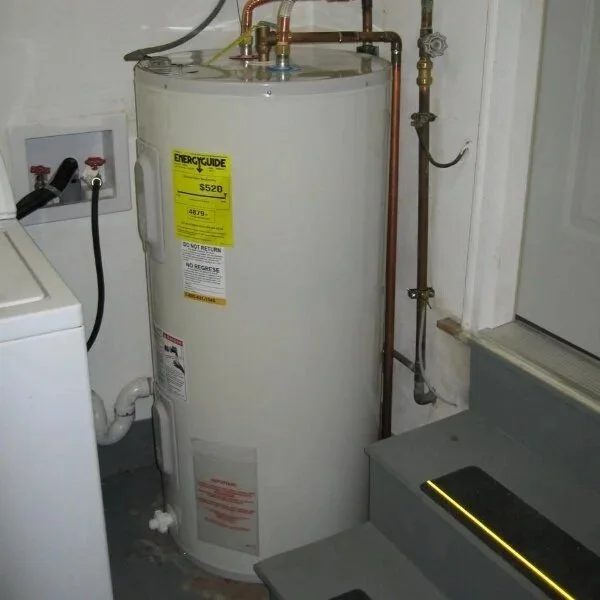
Water heaters carry weight—sometimes hundreds of pounds when filled with water—so secure mounting matters more than you might think. Floor-mounted tanks need a level, sturdy base to prevent tipping or damage, while wall-mounted tankless units require brackets engineered to hold steady under weight and vibration.
Strapping units, especially in earthquake-prone regions, offer extra peace of mind. Flexible connectors between the water heater and plumbing absorb minor movement, reducing stress on pipes and joints that might otherwise lead to leaks.
Precise Temperature Settings for Safety and Comfort
Setting the thermostat blends comfort with safety. Temperatures around 120 degrees Fahrenheit balance hot water needs while minimizing scalding risks and controlling energy costs. Professional installers fine-tune thermostats and can add mixing valves to blend hot and cold water, preventing sudden temperature spikes at faucets.
Smart water heaters provide programmable settings and remote control, which professionals configure to suit household schedules. These controls optimize usage patterns and may even alert homeowners to maintenance needs before problems arise.
Testing and Quality Checks Post-Installation
Once the water heater is connected and powered on, a detailed inspection follows. Technicians watch for leaks, test gas pressure and venting flow, and check electrical connections for safety and efficiency. They confirm the water heats to the target temperature and maintains steady flow rates under typical demand.
Demonstrating operation to homeowners often includes tips for spotting unusual noises, leaks, or temperature swings, helping spot issues early before repairs become urgent.
Responsible Removal of Old Units
Removing an old water heater requires care. Draining the tank, disconnecting the lines, and lifting the heavy appliance safely help avoid property damage and injury. Professionals dispose of or recycle old units in accordance with regulations, protecting the environment and preventing hazards posed by outdated components such as asbestos insulation or lead solder.
Upgrades and Add-Ons During Installation
Installation presents an opportunity to add efficiency-boosting accessories, such as pipe insulation, energy-saving thermostats, or drain pans to catch leaks early. Homeowners might also coordinate water heater installation with kitchen or bathroom remodeling to streamline plumbing work.
Technicians offer advice on upgrades that complement the new unit and enhance long-term comfort and savings.
Handling Installation Challenges
Tight spaces, quirky plumbing layouts, or older homes with outdated wiring and pipes require creative solutions. Professionals customize fittings, reroute lines, or update venting systems to fit unique situations without compromising safety or function.
Working within local building codes and permitting requirements demands attention to detail and experience. Licensed installers manage these hurdles smoothly, preventing costly delays or noncompliance issues.
Maintenance Tips After Installation
Regular upkeep helps maintain peak water heater performance and longevity. Flushing tanks removes sediment buildup, anode rods resist corrosion, and valves require periodic checks. Professionals offer maintenance services and schedule visits tailored to system needs.
Monitor for signs such as reduced hot water flow, strange noises, or inconsistent temperatures, which signal when repair or servicing is necessary.
Professional Installation Over DIY
Water heater installation involves dealing with fuel lines, electrical wiring, plumbing, and building codes—all of which carry risks when handled improperly. Professional installers bring specialized training, tools, and safety knowledge to the project.
Homeowners benefit from workmanship warranties and confident code compliance, while avoiding hazards such as gas leaks, water damage, or electrical shorts. Trusting experts often means faster, safer installations and longer-lasting results.
Energy Efficiency Benefits from Expert Installation
Careful selection and expert installation significantly improve energy efficiency. Well-sized units avoid wasting fuel or electricity, while insulated tanks and properly sealed plumbing reduce heat loss. Installing advanced control systems helps adapt heating cycles to actual household usage.
Reducing energy consumption saves money and lowers environmental impact, a win-win. Professionals stay up to date on industry innovations and recommend options aligned with energy-saving goals.
Preparing for Seasonal Variations in Hot Water Demand
Winter showers and summer sinks pose different hot-water challenges. A properly installed water heater adapts to seasonal demand shifts by maintaining capacity and responsiveness.
Technicians advise flushing tanks before peak use periods and checking system components for winterizing or summer optimization. Adding freeze protection or additional insulation in cold climates guards against unexpected shutdowns.
Coordinating Installation with Other Home Improvements
Water heater replacement often coincides with appliance upgrades or plumbing renovations. Working alongside other contractors promotes efficient timelines and reduces the risk of redoing work.
Open communication between professionals keeps projects on track and avoids surprises. A coordinated effort leads to smooth transitions and fully integrated home systems.
Finding the Right Water Heater Installation Professionals
Choosing skilled, licensed, and insured installers protects both the home and the investment. Customer reviews, referrals, and clear communication reveal reliable companies that deliver quality work and friendly service.
Experienced professionals provide detailed estimates and explain each step, making the process transparent and less stressful. Building a relationship with trustworthy experts pays off in ongoing support and maintenance.
Keeping Your Hot Water Flowing Smoothly
Seamless installation is the foundation for consistent hot water comfort. Regular professional inspections, preventive maintenance, and prompt repair interventions maintain system reliability.
Well-maintained water heaters not only improve daily routines but also protect home infrastructure from water damage and reduce energy waste. A team of pros standing by means that your showers remain warm and worry-free.
Norfleet Family Plumbing specializes in water heater installation, water heater repair, gas tankless water heater installation, gas tankless water heater repair, and gas water heater installation in Mesa and surrounding areas. As a full-service licensed plumbing company, we use high-quality fixtures and parts and offer 100% satisfaction guarantee. Call today to get an estimate.
