
Is a Hot Water Recirculation Pump Worth It? What to Weigh First
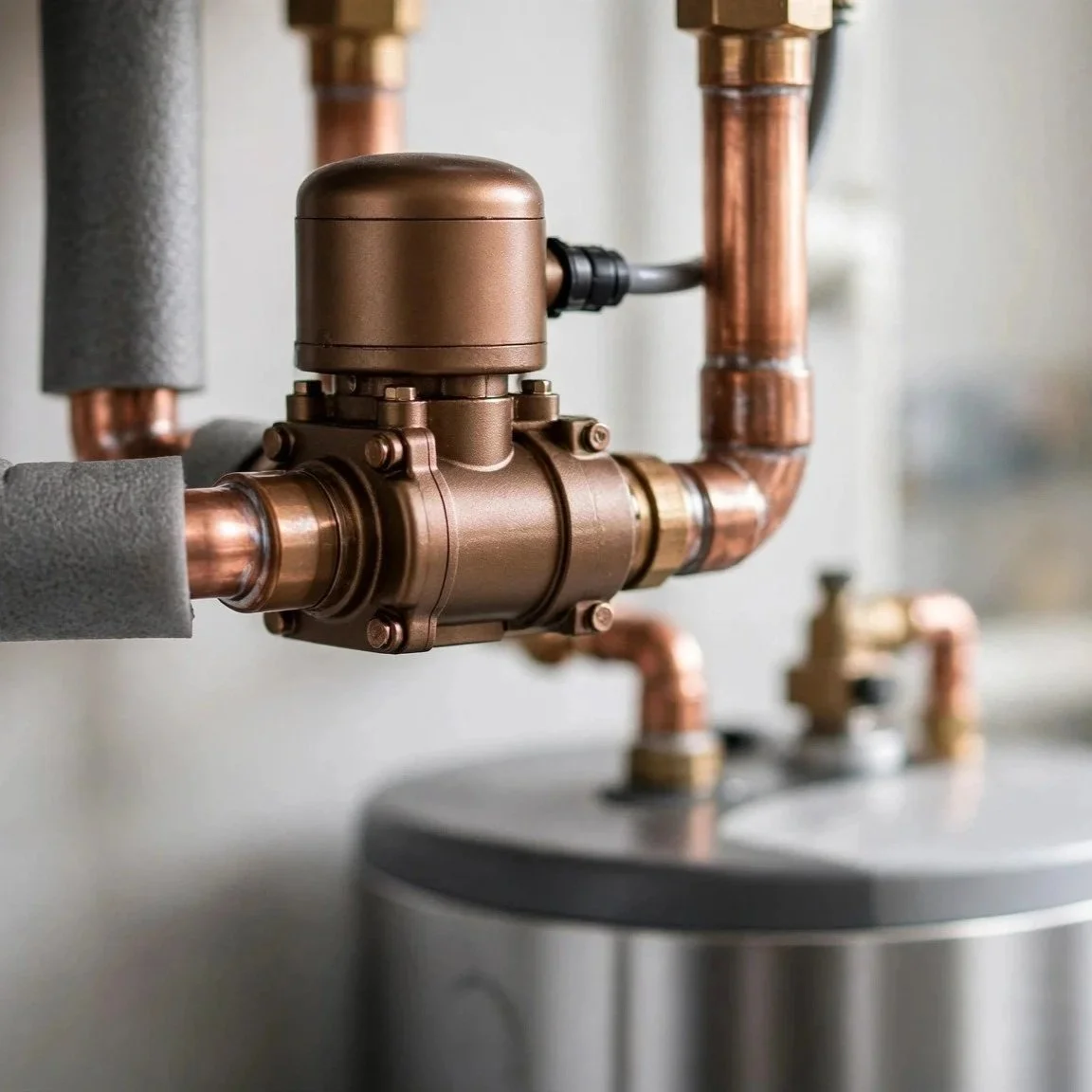
You turn the handle at the bathroom sink, and then you wait. The water runs cold, then cool, then finally warm, and by the time it is actually hot, you have watched 30, 45, sometimes more than 60 seconds of clean water disappear down the drain. In a big single-story home where the water heater sits in the garage and the primary bath is at the far end of the house, that wait can feel endless. A hot water recirculation pump promises to end it. Whether it is worth adding to your home depends on how your plumbing is built, how you use hot water, and which version you install. Here is how the system actually works, followed by an honest look at who gains the most from it.
Quick Answer: A recirculation pump keeps hot water moving through your pipes so it arrives at the faucet almost immediately instead of after a long wait. It is often worth it in large or sprawling homes with long pipe runs, especially for households frustrated by wasting water at the tap. It does not raise water pressure or flow, and the control type you pick determines how much energy it uses.
Why Hot Water Takes So Long to Arrive
When a fixture sits idle, the hot water that was sitting in the supply line cools off. The next time you open the tap, all of that cooled water has to be pushed out of the pipe before fresh hot water reaches you from the heater. The farther the fixture is from the heater, and the larger the pipe diameter, the more cooled water sits in line, and the longer you wait.
Think of it like a garden hose left out in the yard. The first burst that comes through is whatever temperature the hose has been sitting at, and only after that does it flush out, do you get water at the true source temperature. Your hot water line behaves the same way. A recirculation system fixes this by keeping hot water gently circulating through the pipes, so there is little or no cooled water to flush before hot water arrives.
The Two Main Types of Recirculation Systems
Not all recirculation setups are built the same, and the difference comes down to how the water gets back to the heater.
Dedicated-Loop Systems
A dedicated-loop system uses a separate return pipe. Hot water runs out to the fixtures through the normal supply line, and any water that is not used loops back to the water heater through a return line installed just for this purpose. A pump keeps that loop moving. Because the return path is its own pipe, this design delivers the best and most consistent performance, and the water waiting at each fixture stays reliably hot.
The catch is the return pipe itself. Running a new return line through finished walls and ceilings is invasive, so a dedicated loop is far easier and cleaner to install during new construction or a major remodel when the walls are already open. Retrofitting one into a finished home is possible but involved.
Comfort/Crossover Systems
A comfort or crossover system solves the return-pipe problem by using the cold water line as the return path. A pump is mounted at the water heater, and a sensor valve is installed under the fixture farthest from the heater. When the loop needs to move water, the valve opens a bridge between the hot and cold lines, sending the cooled hot water back toward the heater through the existing cold pipe. No new return line is needed, which makes this type truly retrofit-friendly for homes that were never plumbed with a loop.
The trade is comfort-related: because the crossover briefly pushes warm water into the cold line, the cold tap at that far fixture can run lukewarm for a few seconds before it cools back down. For most households, this is a minor quirk, but it is the reason a dedicated loop still outperforms a crossover setup.
How the Pump Is Controlled
The single biggest factor in whether a recirculation pump is efficient is not the pump itself but how you tell it when to run.
- On-demand: The pump only runs when you ask for hot water, triggered by a button at the fixture, a motion sensor, or a smartphone app. It does a quick loop, gets hot water to the tap, and shuts off. This is the most efficient option because the pump and the loop are idle the rest of the time.
- Timer: The pump runs on a set schedule, warming the loop during the hours you typically use hot water, such as mornings and evenings. It fits households with predictable routines and avoids running the pump overnight or midday when no one is home.
- Aquastat or continuous: The pump runs constantly or cycles based on loop temperature, keeping the whole loop hot around the clock. This delivers instant hot water at any moment but uses the most energy and adds the most standby heat loss.
The Real Tradeoffs
The upside of a recirculation system is easy to feel. You get near-instant hot water, and you stop pouring gallons of clean water down the drain every time you wait for the tap to warm up. In areas where water conservation matters, cutting that daily waste is a meaningful benefit on its own.
The costs are worth understanding before you commit. The pump uses some electricity to run, though on-demand control keeps that draw small. In continuous mode, you also pay a comfort penalty in the form of standby heat loss: keeping the loop warm around the clock means the water heater works harder to replace heat that radiates out of the pipes. A crossover system carries the lukewarm-cold quirk described above. And there is one hard-water consideration that matters here more than almost anywhere: constantly circulating hot water speeds up scale buildup inside the loop and the pump, so mineral-heavy water can shorten the life of the components.
It is also important to know what a recirculation pump does not do. It does not increase your water pressure, and it does not raise your flow rate. If a fixture trickles or your whole house feels weak, that is a pressure or flow issue with a separate cause, and a recirculation pump will not touch it. All the pump changes are how long you wait for hot water to show up.
Who Benefits Most
A recirculation system pays off most clearly in a few situations. Large, sprawling single-story homes often have long pipe runs from a garage-mounted heater to a distant primary bath, which is exactly where the wait is longest and the water waste is highest. Households with young kids, early risers sharing one bathroom, or anyone simply tired of standing at the sink counting seconds tend to value the instant hot water every single day.
If your fixtures are close to the heater and the wait is only a few seconds, the payoff is smaller, and a simpler fix may serve you better. The stronger your reasons on the long-run and water-waste side, the more a recirculation pump earns its place.
Why Installation Belongs to a Pro
A recirculation system sits at the intersection of three trades. It needs an electrical connection for the pump, correct plumbing tie-ins at the heater and the far fixture, and a pump sized properly for your loop length and flow. An undersized pump will not deliver, an oversized one wastes energy and can be noisy, and an incorrect crossover valve placement can leave the far fixture waiting or push warm water where you do not want it. This is a job for a licensed plumber who can look at how your home is actually plumbed and match the system, control type, and pump size to it.
Frequently Asked Questions
In both systems, the circulator pump mounts directly at the water heater, tied into the hot outlet, with its power source nearby. The difference is what happens at the far end of the house. A dedicated-loop system needs a separate return line run all the way back from the last fixture to the heater, which is why it's practical to install only while walls are open during construction or a remodel. A comfort or crossover system requires no return line; instead, a thermostatic crossover valve is installed under the sink at the fixture farthest from the heater, bridging the hot and cold lines there, so the pump and that one under-sink valve are the only two parts to install.
It does, and this trips up a lot of retrofits. A tankless heater has to sense a minimum flow, often around half a gallon per minute, before its burner fires, and it doesn't hold a reservoir of pre-heated water the way a tank does. A plain crossover pump moving a trickle through the loop can fall below that trigger, so the burner never lights, or it can make the unit short-cycle on and off. Many tankless units solve this with a built-in recirculation mode plus a small internal buffer tank, and some pair with a compatible dedicated pump and a timer or button. The practical rule: on a tankless system, use a recirculation setup the manufacturer lists as compatible rather than bolting on a generic crossover valve.
A small residential circulator is quiet in normal running, usually a low hum you notice only in a silent room, though a pump mounted rigidly to a pipe can telegraph a faint vibration into the wall that a rubber isolation gasket dampens. The bigger consideration is wear. The pump is a moving part with a motor and impeller, and the check valve that keeps the flow going in one direction is a wear item too. Running the pump around the clock in continuous mode keeps both working every hour and wears them out faster; using on-demand or a timed schedule lets them sit idle most of the day, which is easier on the components and stretches their service life.
The crossover valve only works if a hot line and a cold line actually meet at that farthest fixture, since the valve bridges the two, so a fixture with a hot supply but no nearby cold return, or an isolated outdoor line, isn't a candidate. The valve is also thermostatic: it's set to a target temperature and opens the bridge until the water reaching it hits that mark, then closes, so someone has to choose and set that trip point for the install to behave. And because the returning hot water travels back through the cold pipe, that cold tap at the far fixture can run lukewarm for a few seconds right after a cycle before it clears back to cold.
It can. Because a recirculation system keeps hot water moving through the loop far more than a standard setup, it exposes the pipes and the pump to more of the mineral deposition that hot water drives. Where water commonly runs well over 12 grains per gallon of hardness, that scale can build faster inside the loop and pump. A water softener and periodic maintenance both help protect the components and extend their service life.
Beyond a basic 24-hour timer that just clicks the pump on during set hours, newer controllers add real intelligence. A motion sensor in the bathroom can start a loop the moment you walk in, so hot water is arriving by the time you reach the tap. A smartphone app lets you trigger a cycle from bed or track when the pump runs. Some learning controllers watch your household's actual pattern over a week or two and predict your usage, pre-warming the loop right before your usual shower without you touching anything. The reason any of these beats always-on comes down to duty cycle: an on-demand trigger runs the pump for a short burst a handful of times a day instead of every hour of the night, which cuts both energy use and the standby heat lost from a loop kept hot 24/7, and it spares the pump and check valve thousands of idle-hour cycles that shorten their life.
Ask about a recirculation setup matched to your home — end the wait and stop wasting water at the tap. Norfleet Family Plumbing serves Mesa and the East Valley. Call (480) 681-1764.
